Alexandra Maund on Representation and Access
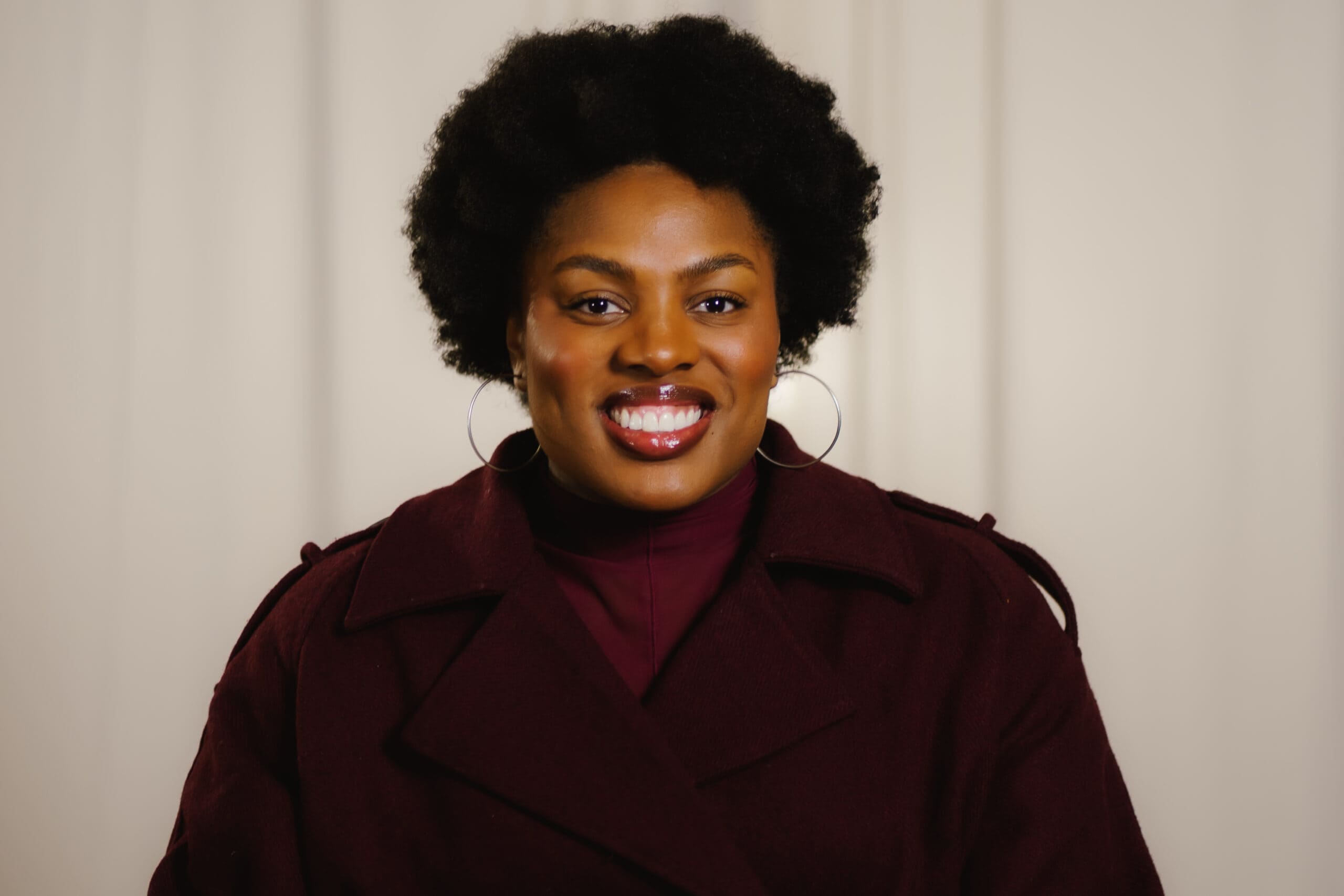
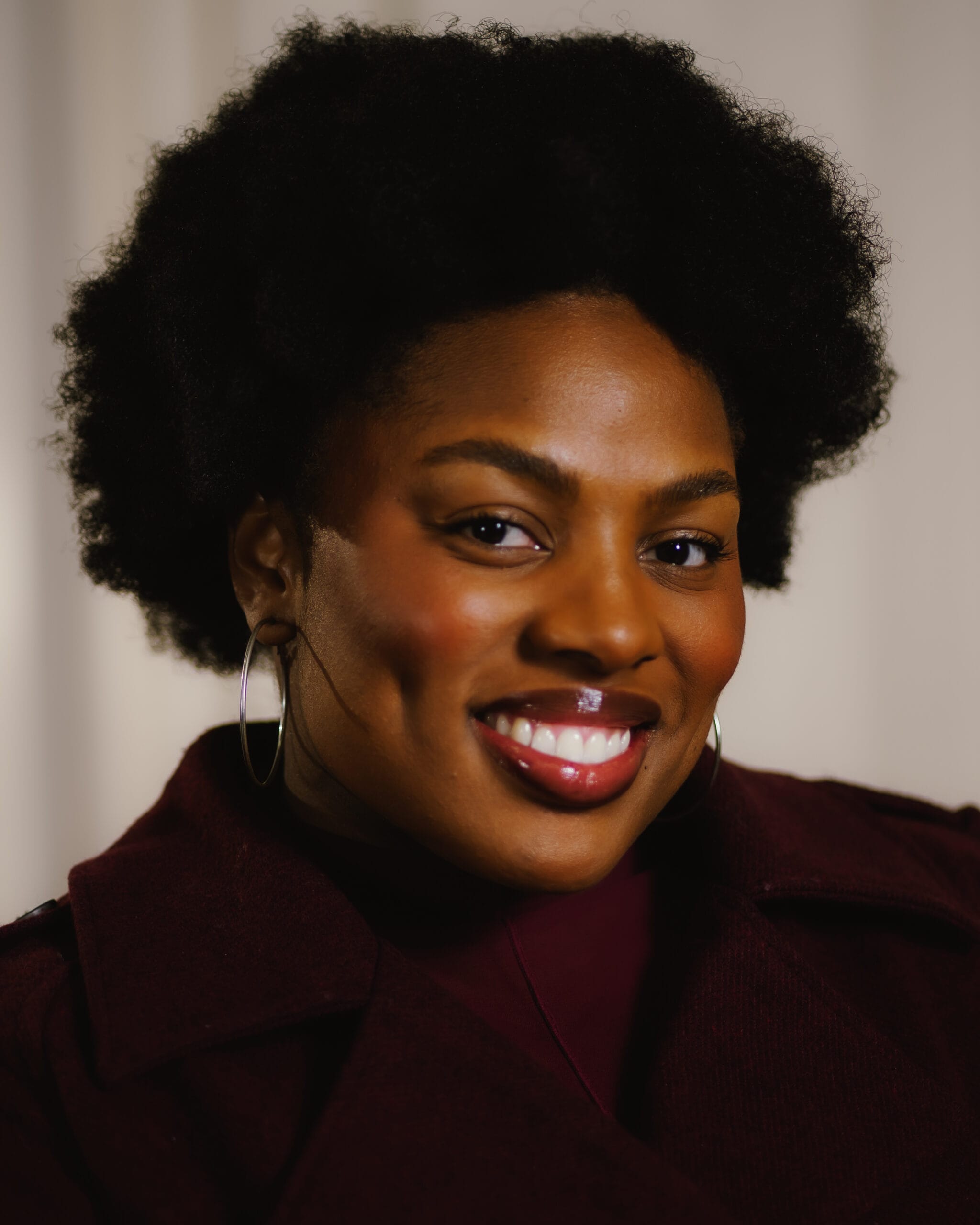
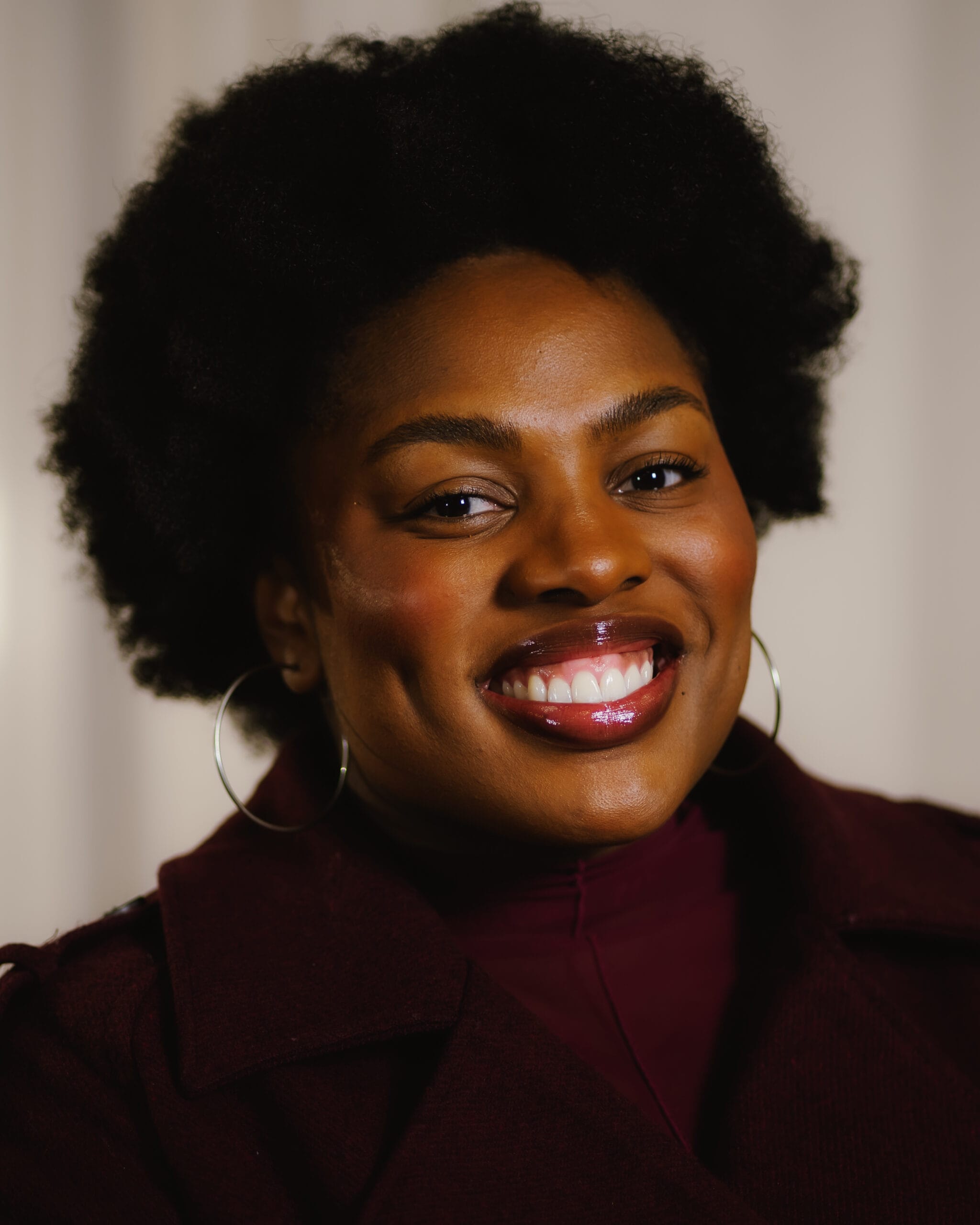
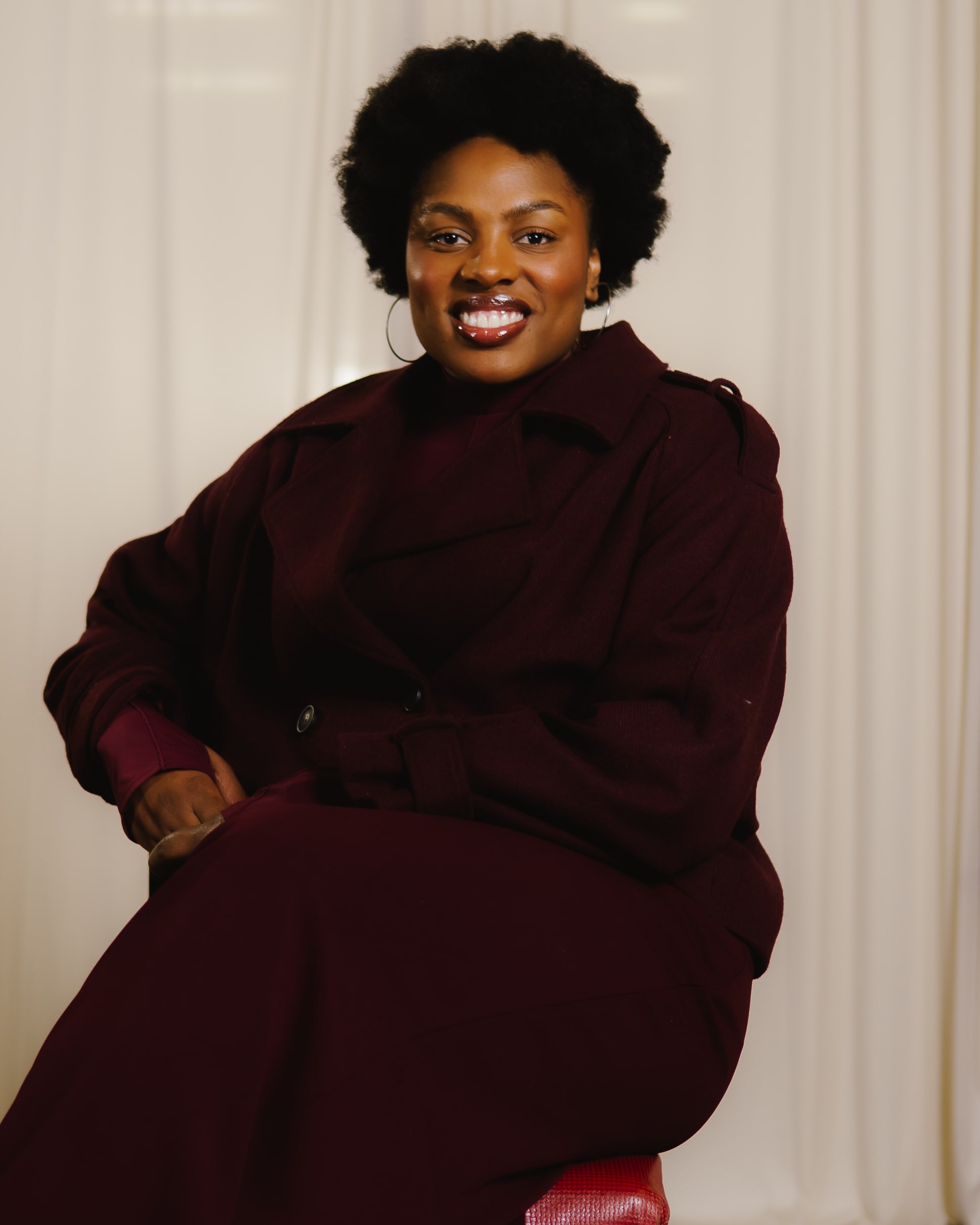
Alexandra Maund is the Director of Brand Development and Communications for the Connecticut Sun and has been with the Sun for four and a half years. She is from Boston and went to Yale University where she earned a Bachelor of Arts in Women’s, Gender and Sexuality Studies. She then attended George Washington University and obtained a Master’s in Media and Strategic Communications. Alexandra played collegiate basketball and brought her experience as a player to help create strategy for the Sun surrounding branding and content. Read more below about Alexandra’s journey and her “why”:
What was your path prior to working for the Sun?
“I played basketball in college for both Yale and George Washington. I had known from a very young age that I wanted to work in sports, but Yale didn’t have a sports-related major. So I chose Women’s, Gender and Sexuality studies as my major and made every assignment I possibly could about women’s sports. My connection to the sports world had always been as an athlete, so I never really spent a lot of time considering the business side. I figured I would finish playing and then possibly coach once I had retired. But along my undergrad journey, I found a love for PR and communications through internships. Telling stories and connecting ideas, people, and experiences. I then went on to play for Jen Rizzotti at George Washington and was working a corporate finance PR internship while playing and going to class. I had truly excelled at George Washington and a year after I graduated, Jen became the president of the Connecticut Sun and was looking for someone to do communications for the team. She thought of the work ethic I had while playing for her and called me. I have never looked back!”
This year's Black History Month theme is "A Century of Black History Commemorations," celebrating the 100th anniversary of celebrating Black History Month. When you think of Black History Month, what comes to mind?
“Black History Month represents belonging to me. It reminds me that no matter how people who look like me are perceived, treated, or scorned, we have contributed so much to this country and this world. It reminds me that we are creators, growers, facilitators, disruptors, lovers, movers and shakers, and that we deserve to hold space. Growing up in predominantly white schools and receiving a “classical, private education,” Black History Month was often the only time I got to learn about my history in school. Although it was often watered down or centered in whiteness, it was still something to hold onto. Something tangible for me to discuss with my classmates and to know that the shoe was finally on the other foot with their required learning about my people and my community. I used to hate history as a kid. I was always bored to tears, and despite being an A and B student, I had to scratch and claw for a C+ or B- in history classes. It wasn’t until I reached college when I fell in love with history after taking African American history courses and realized that it wasn’t history that I couldn’t grasp. It was the cognitive dissonance of not seeing myself in what I was learning. Before college, Black History Month was my only window into that feeling of belonging.”
What does legacy mean to you?
“Legacy has always been the notion my mother spent my entire life teaching and reinforcing to me: stand on the backs of giants. People have sacrificed, suffered, and loved so I could have the life I live today.”
What legacy do you want to leave?
“I want my legacy to not only further the notion of standing on the backs of giants that my mother instilled in me but to also take the form of advocacy and space creation for the young Black and Brown women and girls who come after me. My why, the reason I come to work every day when the hours are long, the work is mentally taxing, and the thank you’s aren’t loud, is the young girls I know I am impacting with my work.
Growing up, I was playing basketball at an elite level. Playing Division I in college was my goal and I was extremely committed to it. I grew up an hour and 45 minutes away from Mohegan Sun Arena and had no clue that the Connecticut Sun existed. None of my coaches or trainers were telling me about the WNBA, and I was often encouraged to look up men’s basketball players whose game I wanted to emulate. Although I was a Boston Celtics fan, and being a Celtics fan is basically a non-negotiable when you grow up in Boston, I found myself gravitating to the San Antonio Spurs because their style of play was the closest thing I could find that I related to. I was drawn to the way they played as a team, outsmarted their opponents, always found the open man, and moved the ball the way that women do because we can’t rely on dunks and flashiness to play at an elite level. Although I loved my time as a Spurs fan and was lucky enough to be a fan when they won the NBA Championship in 2014 during my junior year of high school, I deserved to know that the WNBA existed. I deserved to be able to watch powerful women accomplishing the goals that I had set out for myself. I deserved to see a world where strong, athletic Black women were celebrated the way they deserved to be. I had the kind of parents who would have brought me to see it. But they weren’t on my TV screen and they weren’t being advertised heavily in my area.
Now, my job is to literally make sure that little girls growing up in my community, my city, and New England know that the WNBA exists and that they can see themselves in our players. That is something I take a lot of pride in, and access and representation is at the forefront of everything I do.”
What is your favorite Black History Month memory?
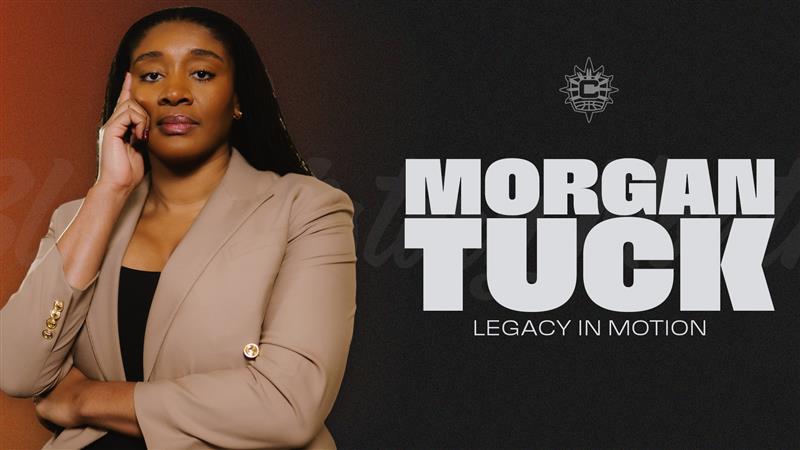
“My favorite Black History Month memory is actually from when I was working here. I did a long form content piece called “My Hair, My Crown” with Morgan Tuck, Ty Harris, Brionna Jones, DiJonai Carrington, myself, and a local business owner, Ni-Tasia Sutton. Ni-Tasia was in our “Play Big. Shop Small” program and is also my hair braider. I had our players talking about how they take care of their hair as athletes and how they love their hair, and it was just a celebration of the versatility, strength, and love of our hair as Black women. Ni-Tasia did my hair on screen while we talked and it was just a real depiction of the process and care we take as Black women to preserve and do our hair. Additionally, I had worked with our graphic designers to create a t-shirt that had nine different hair styles for Black women on the back. We debuted the shirt and the piece on NBC Boston’s The Hub Today. I was so proud of that campaign for so many reasons, but most importantly because I had created something I had never seen as a young girl growing up. The response from so many Black women who I encountered after was so special and every time I saw a little girl in the shirt, the feeling of pride I had was immense. I still get emotional thinking about it.”
How do you hope Black History Month continues to be celebrated?
“I hope we continue to celebrate Black History Month by taking the time to acknowledge the contributions of Black people and tell our stories. Growing up as a Black American is to know that a lot of your history has been erased. You will never truly know where you come from, but oral history is the lifeblood of our community. Black history is rooted in storytelling and Black History Month allows us to tell our stories. I hope that never goes away.”
###
,xPosition=.5,yPosition=.5)
,xPosition=.5,yPosition=.5)
,xPosition=.5,yPosition=.5)
,xPosition=.5,yPosition=.5)